 |
|
 |
 |
||
Jihoamerické léčivé byliny z Amazonie a Andské oblastiPeruánské byliny z deštného pralesa |
|
||||


Zdravotní potíže
k jejichž léčbě se bylinky používají v Jihoamerické etnomedicíně. Řazeno abecedně


.jpg) |
Manayupa |
Great cleansing cure
|
 |
Flor de Arena |
|
 |
Hercampuri |
|
 |
Agracejo |
|
.jpg) |
Canchalagua |
|
 |
Flor blanca |
|
 |
Sanguinaria |
Dr. Oscar Villavicencio Vargas. Ex-President of the Peruvian Society for Complementary and Alternative Medicine (Sociedad Peruana de Medicina Altrenativa y Complementaria - SPEMAC). Associate Professor of National Supplementary Surgery Medicine (ESSALUD)
Cleanup or detoxification is meant a phenomenon where the mixing, release and removal of toxins from the organism, or in other words, a new arrangement caused by different natural stimuli is mentioned. Many of these toxins accumulate over the years in our body and eventually lead to a number of diseases. Even non-specific symptoms that do not match a particular disease can be signs of poisoning or signs that the body is intoxicated. That is why we have people who suffer from insomnia, fatigue, tingling and rashes on the body, bitterness and acidity in the mouth, headaches, hyperchromic and hypochromic spots in the face and on the body, sufferers of heartburn and many symptoms that make up daily doctors, sometimes skeptical.
Toxins can have two origins: external and internal. External toxins are those that penetrate our body through breathing (toxins from factory chimneys, vehicles, cigarettes, etc.) through skin and mucous membranes (colors, insecticides, etc.) and digestive tract (indigestible, contaminated or spoiled food and beverages, flavorings, preservatives, artificial dyes, too high animal protein content, alcohol, pharmaceuticals, etc.).
Toxins of endogenous or internal origin are substances created in our own organism. They may be associated with certain diseases such as typhoid, hepatitis, etc., and metabolic diseases such as diabetes mellitus, uremia, and others. Likewise, the occurrence of toxins caused by stress, stress, anxiety, depression, a violent reaction that produces a high amount of adrenaline, serotonin, imipramine, etc., occurs in chronic fatigue syndrome where an exaggerated stimulus exists in the adrenal glands, resulting in constant production of large amounts of adrenaline and noradrenaline.
Psychoneuroimmunology has demonstrated the importance of psycho-emotional relationships with the physical state of an individual, which has led to the scientific debates of the Ciencias de la Conciencia (The Science of Consciousness); relaxation therapy, biofeedback, psychophysiological regulation, diagnostic and therapeutic imagery, or creative thinking,
To detoxify the organism uses a complex system of responses depending on its management and regulation. It relies on organs and structures that are known for their cleansing functions such as liver, kidneys, intestines, skin, mucous membranes and lungs. We must not forget that the body itself chooses the most appropriate organ for performing important functions, strives to find balance with its surroundings and appropriate management of toxins, also with respect to its own condition. For this reason, detoxification plants will activate a "new arrangement" of toxic waste by conventional means. First of all, through urine, these plants have diuretic properties and soothe urinary tract inflammation, with the advantage that most of them do not cause too much potassium loss, as with drugs for chronic intoxication, which explains Hippocrates' teachings, claiming that "There is no health with a sick stomach or a sick with a healthy stomach." The skin becomes the "third kidney", allowing the release of toxins through the skin rash and secretions that are secreted and released occasionally spontaneously.
In detoxication phytotherapy there are plants that have a specific effect on the organ or system, but mainly act on several systems. We also refer to selected plants most commonly used in medical practice.
Desmodium mollicum (manayupa)
Called due natives runamanayupana, which means "a man who can tell about his abilities", also known as "pata de perro" (dog paw), "pega pega" and in the kechua "allco pachaque". It is a small herb of the family of legumes, pink flowers and grows at an altitude between 2,000 and 3,000 meters. It has cleansing effects, especially on the kidney system, it is an exellent diuretic and helps alleviate urinary tract swelling, also helps to reduce the swelling of the mucous membranes, especially the digestive tract, therefore it is usually used in cases of acute and chronic gastritis. Due to the content of steroids and organic acids it acts anti-inflammatory. Used in case of drug intoxication. Phytochemical studies and anaphylactic test on susceptible guinea pigs confirm that it significantly reduces the incidence of anaphylactic shock. Apparently their anti-allergic properties have protective effects on mast wall walls and prevent histamine output. A decoction of leaves and stem is used, 20 - 30 g. Boil *) in one liter of water for 5 minutes, a liter of decoction is given in 2 or 3 doses per day.
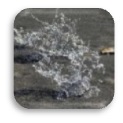
Tiquilia paranychoides (flor de arena - sand flower)
It is also known under the name of Indian (Indian Tea) or Hylba Blanca (White Herb), a plant of the borage family, with very small whitish flowers. It grows in the macrotermal subsoil, especially on the shores of the rivers (lowland jungle Loreto - Ucayali). The plant cleans the system of the nervous glands, acts as a mild diuretic and has a calming effect. Removes excess uric acid in the blood, often caused by excessive consumption of animal proteins. It is also used in cases of urinary arthritis. It is used in cases of food poisoning. Boil *) leaf extract, 5 g per liter of water, 1 liter of water is given in 3 to 4 doses per day. Upon ingestion of more than 15 g, poisoning is noted.
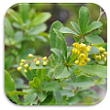
Berberis vulgaris (agracejo)
It is known as coralitis, arlo or cetinera. It is a cosmopolitan plant of the rhinestone family. Its fruits are small elongated black-bluish berries of sour taste, growing on branches like grapes. This plant grows like a twig, grows to a height of 2 to 3 meters, has shiny barbed leaves and yellow flowers. Typical for it is calcium and mountainous terrain, it includes more than 50 species. The main active ingredient is alkaloid berberin and palmatine. In addition, it contains zoledronic acid, resin, especially from root bark, also vitamin C, tannins and bitter substances, antiflogistics and antipyretics. The plant cleanses the gall bladder, activates metabolism, contains active substances choleretic and cholagogue. Protects the stomach mucosa, in addition helps flatulence. It is used for gall stones, inflammation and intestinal infections of bacterial and viral origin. Root bark serves as a diuretic, berry extract reduces fever and has a beneficial effect. Take a broth boiled *) from the leaves, 20-30 g in one liter of water for five minutes and drink before the meal.
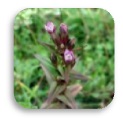
Gentianella alborosea (Hercampuri)
The plant of the bitter family known as the amargo (bitter tea), de de Chavín (tea from Chavín). It is a liver cleansing plant, has choleretic and colagogo active substances and hypoglycemic effects. Clinical experience confirms the reduction in cholesterol, and is also a major regulator of fat metabolism, therefore it is used in cases of exogenous obesity. Boil *) Take 15 to 30 g of water in one liter of water for 5 minutes and drink 3 times a day.
Schkuria pinnata Var. Octoristata (Canchalagua)
An annual plant that grows between 2,500 and 5,000 meters above sea level in the Peruvian highlands. Contains steroids, flavonoids and triterpenoids that lend it its anti-inflammatory properties; In addition, it is considered as a plant for cleansing blood, it is used in skin inflammations, especially in acne vulgaris because it is a regulator of hormones and fats. Also boil *) raspberries from 15 to 30 g in one liter of water for 5 minutes and drink three times a day.
Buddleja incana (Flower Blanca - White Flower)
Known as alamo, quisoar, colle, quishuara or saffron. Grows in the Andean region. It cleans the gynecological system, has efficacy in incipient vaginal discharge, either of bacterial origin or mycosis (candidiasis). Pharmacological studies have shown that it contains the composition of estrogens as it induces the formation of the endometrial mumps endometrial mucosal cycle in rabbits. Likewise, it has a slight effect on the stimulation of menstruation. It affects hyperchromic spots on the face. It also has local use, applied in dermato-cosmetics. Normally cook *) leaves and stem, 15 - 30 g per liter of water for five minutes. It is drunk 3 - 4 times a day.
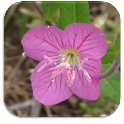
Alternanthera iresine (sanguinaria) **)
Also known as sanguisorba, it is a creeping plant of the family of a lobster, reddish stalk, lanceolate leaves and small white flowers, growing in urban parks. Cleans blood, promotes blood pressure regulation, and is commonly used in vascular diseases such as varicose veins of the lower limbs. Use a decoction *) of leaves and stem, from 15 - 30 g. Cook in a liter of water for five minutes. Drinks 3 times a day.
*) Other ethnomedical sources in abundant numbers refer to the preparation method only by infusion , the difference between decoctum and infusion can be found on the site dedicated to traditional herbal preparation HERE
**) There was a certain disagreement with the botanical system and dr. Villavicencio Vargas has mistakenly used two generic names of Alternanthera spp. and Iresine spp., however, in consultation with dr. Elena Li Pereyra was determined to be a species known as chupasangre or sanguinaria (Oenothera rosea or O. multicaulis)
There are other plants of secondary use such as Bidens pilosa (amor seco), Adianthum poiretti (culantrillo de pozo), Ephedra andina (pinco pinco), Tessaria integrifolia (pajarrobo), Franseria artemisoides (marco), el palo de huaco, , from the Grau region of northern Peru, with very similar Hercampuri plant (Gentianella alborosea). As a precautionary measure, it is recommended to cleanse or detoxify regularly, but it is more reasonable to have a balanced eating habits and overall lifestyle, a good physical constitution, and a less polluted environment, so the cleanliness could be less radical.
Depending on the degree of intoxication that persists or is repeated, the cleansing cycle should also be performed. If an undesirable effect occurs on a plant, it is advisable to stop using it.
Here are three options for different combinations that can be done according to the needs and individual tolerances:
a) Semestral cycle of 42 days
| 1. | Desmodium mollicum (Manayupa) | 14 Days |
| 2. | Tiquilia paranychoides (Flor de arena) | 14 Days |
| 3. | Gentianella alborosea (Hercampuri) | 14 Days |
b) Annual cycle of 60 days
| 1. | Desmodium mollicum (Manayupa) | 15 Days |
| 2. | Tiquilia paranychoides (Flor de arena) | 15 Days |
| 3. | Berberis vulgaris (Agracejo) | 15 Days |
| 4. | Gentianella alborosea (Hercampuri) | 15 Days |
c) Annual cycle of 70 days
| 1. | Desmodium mollicum (Manayupa) | 10 Days |
| 2. | Tiquilia paranychoides (Flor de arena) | 10 Days |
| 3. | Berberis vulgaris (Agracejo) | 10 Days |
| 4. | Gentianella alborosea (Hercampuri) | 10 Days |
| 5. | Schkuhria octoristata (Canchalagua) | 10 Days |
| 6. | Buddleja incana (Flor blanca) | 10 Days |
| 7. | Alternanthera iresine (Sanguinaria) | 10 Days |
Copyright © 2014 ORO VERDE s.r.o. ,Oro Verde s r.o. zapsaná v Obchodním rejstříku u Městského soudu v Praze odd. C vložka 71587